Daria Kasatkina Biography: Career, Ranking & Move to Australia (2026)
Daria-Kasatkina

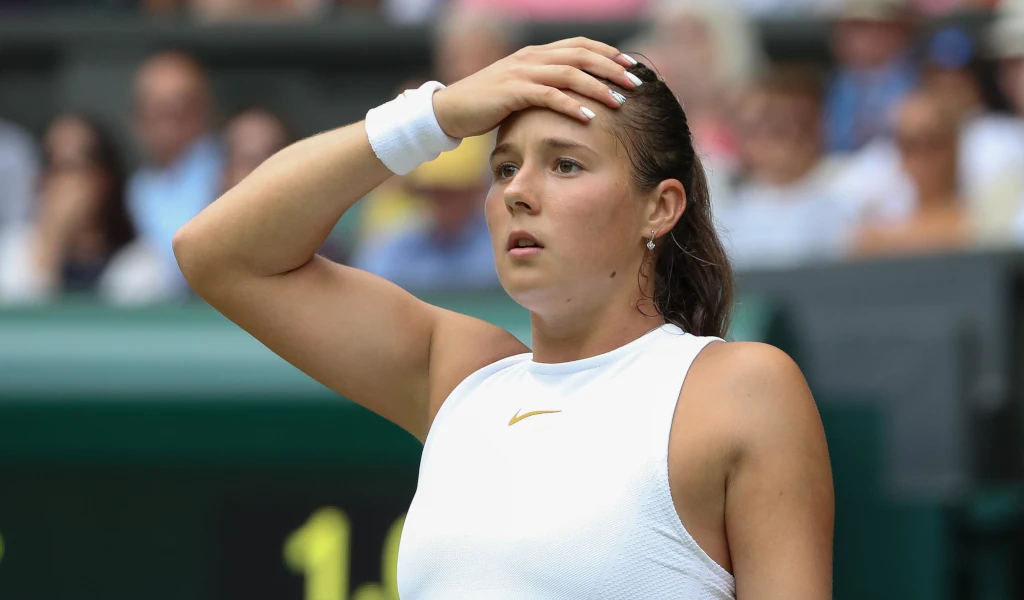
Daria Kasatkina: Australia’s New No. 1 Switching the country you represent in professional tennis is a genuinely significant decision — one that carries political weight, personal history, and years of paperwork alongside the sporting implications. Daria Kasatkina made that switch in 2025, moving from Russia to Australia, and by 2026 had become her adopted country’s top-ranked woman on tour. A career built from Tolyatti to the world’s top 10 Kasatkina was born on 7 May 1997 in Tolyatti, Russia, and turned professional in 2014. She built a genuinely substantial career representing Russia for over a decade, reaching a career-high singles ranking of world No. 8 in October 2022 and winning eight WTA Tour singles titles across her career, plus a doubles title. Her best Grand Slam results came at the 2022 French Open, where she reached the semifinals, and the 2018 Wimbledon Championships, where she made the quarterfinals — genuine top-tier results against the sport’s best players. A distinctive game built on variety Kasatkina has built her reputation on tactical intelligence and shot variety rather than pure power — a right-hander with a two-handed backhand whose game relies on changes of pace, drop shots, and court craft to unsettle opponents, a genuinely distinctive style in an era of the WTA Tour often dominated by baseline power. Switching to Australia In March 2025, Kasatkina announced she would represent Australia at all future tennis events, having been granted permanent residency in the country. She acquired full Australian citizenship in early 2026, becoming, by that point, the nation’s leading woman on the WTA Tour. Speaking ahead of the 2026 Australian Open — her first as an official Australian competing in front of a home crowd — she described the moment as special: “Really happy to be an official Australian now and just to participate in Australian Open and in front of the great crowd here,” adding that she’d need to “manage my nerves” in a situation she’d never experienced before. A difficult stretch, and a mental health break Kasatkina’s 2025 season included genuine struggles alongside its highlights — her best results that year were fourth-round runs at both the Australian Open and French Open, but she made the decision to end her season early after the Beijing tournament to take a mental health break, a candid and increasingly common choice among tour professionals prioritising wellbeing over a full competitive schedule. She still finished the season ranked inside the world’s top 40 for a fifth consecutive year, a genuine marker of sustained consistency even through a difficult stretch. 2026: a title, and continued rebuilding Kasatkina began 2026 aiming to rebuild toward her career-best ranking, telling reporters her level of tennis had returned to a better place than much of the previous season, backed by a straight-sets win over former world No. 3 Maria Sakkari at the Adelaide International. She added a WTA 125 title at La Bisbal d’Emporda during the year, continuing to compete across both the main tour and its developmental tier as she works to climb back toward the top of the rankings. Where her career stands Daria Kasatkina’s story now includes both a genuinely accomplished decade of Russian-flag tennis — a top-10 ranking, a Grand Slam semifinal, eight tour titles — and a new chapter representing Australia, a country she’s embraced as home and that’s embraced her in return as its leading female player. With her level trending upward again in 2026 and a home Australian Open crowd now behind her, there’s real reason to think her best tennis isn’t entirely behind her. Quick facts Full name: Daria Sergeyevna Kasatkina  |  Born: 7 May 1997, Tolyatti, Russia  |  Represents: Australia (since March 2025)  |  Notable: Career-high WTA ranking of world No. 8 (2022), eight WTA Tour singles titles, 2022 French Open semifinalist, Australia’s top-ranked woman on tour. Frequently asked questions Which country does Daria Kasatkina represent now?Australia — she switched her national representation in March 2025 and became an Australian citizen in early 2026. What is Daria Kasatkina’s highest WTA ranking?A career-high of world No. 8, reached in October 2022. What is Daria Kasatkina’s best Grand Slam result?A semifinal appearance at the 2022 French Open. How many WTA titles has Daria Kasatkina won?Eight singles titles and one doubles title across her career. Why did Daria Kasatkina end her 2025 season early?She took a mental health break after the Beijing tournament, prioritising her wellbeing after a difficult competitive stretch.
Cristian Garín Biography: Career, Ranking & ATP Titles (2026)

cristian garin

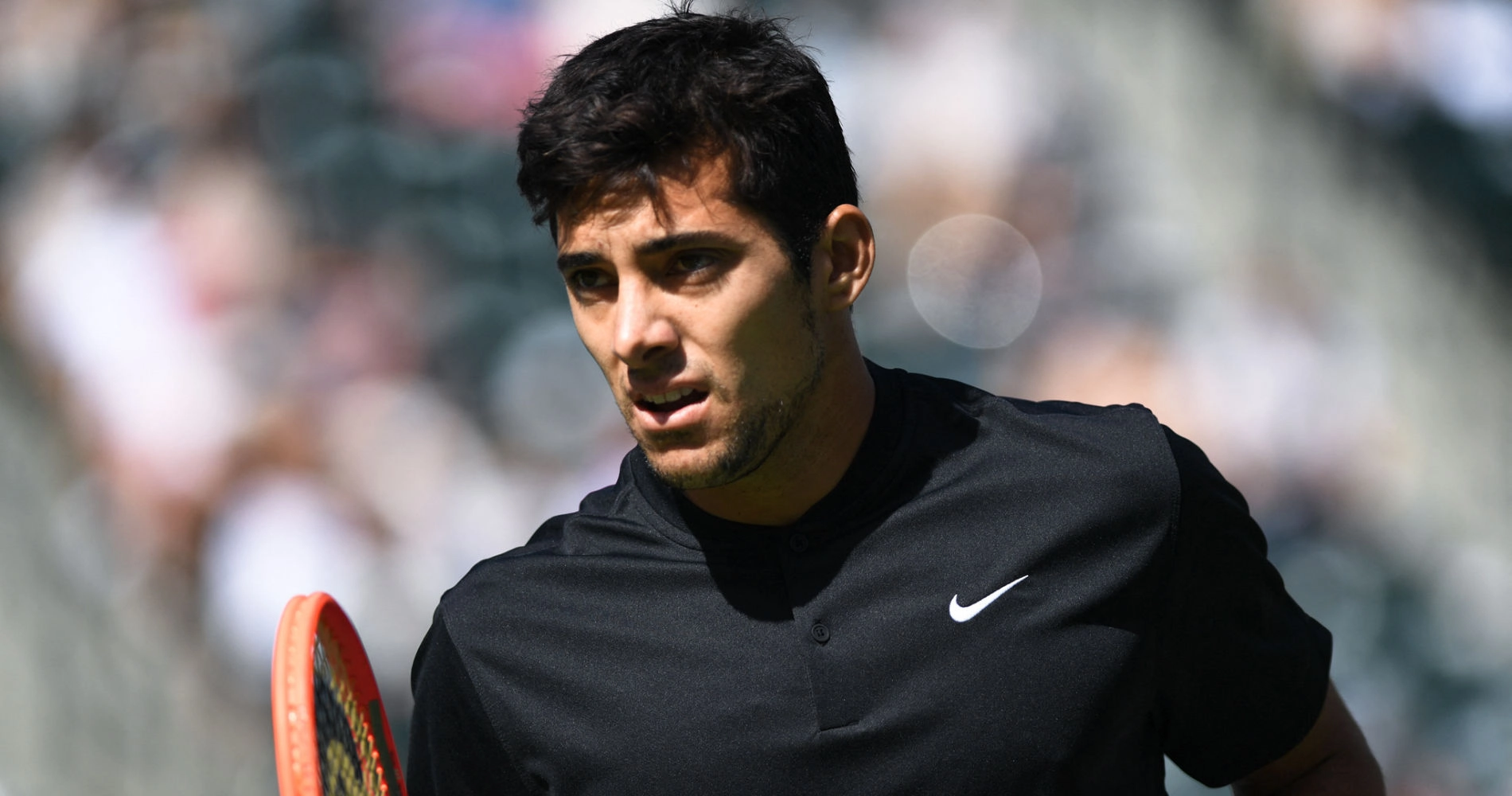
Cristian Garín: Chile’s Clay-Court Specialist Cristian Garín built his career on the surface that suits his game best — the patient, grinding rallies of clay-court tennis — and became, along the way, the first Chilean player in a decade to win an ATP title, before climbing all the way to the world’s top 20. An early start and a junior Grand Slam title Garín was born on 30 May 1996 in Arica, Chile, and started playing tennis at age five with his father. He turned professional in 2011 and announced himself early, winning the 2013 Junior French Open title and becoming the youngest Chilean player ever to win an ATP Tour match, defeating Dušan Lajović at just 16 years and 8 months old in the first round of the 2013 VTR Open in Viña del Mar. Breaking Chile’s decade-long title drought Garín’s first ATP Tour singles title came at the 2019 U.S. Men’s Clay Court Championships, defeating Casper Ruud in a three-set final. The win made him the first Chilean ATP title-holder in ten years — a genuinely significant moment for Chilean tennis, which has historically produced strong clay-court players but had gone without a Tour champion for a long stretch before Garín’s win. A career-best season in 2021 Garín’s best individual season came in 2021, when he reached his career-high ATP ranking of world No. 17 in September of that year, following his biggest title win at the 2020 Rio de Janeiro event, which had pushed him to No. 18. Across his career, he’s won five ATP Tour titles in total, and reached his first Grand Slam quarterfinal at Wimbledon in 2022 — a notable achievement given that grass is generally considered his least favoured surface, on top of reaching Masters 1000 quarterfinals in Paris (2019), Madrid (2021), and Rome (2022). Playing style Garín’s game is built around heavy topspin off the forehand, strong defensive skills, and the physical endurance to win long baseline rallies — a classic clay-court profile that’s made him considerably more effective on slower surfaces than on hard courts or grass. His approach relies on patience and consistency: dragging opponents into extended exchanges, forcing errors, and controlling the tempo of a point rather than looking to end rallies quickly. Working his way back up the rankings Like many players, Garín has dealt with injuries and ranking fluctuations over the years, dropping outside the world’s top 100 before working his way back through Challenger-level events. In 2025, he won multiple Challenger titles — including the Uruguay Open, the Upper Austria Open, the Antofagasta Challenger, and the Open de Oeiras II — form that helped him rejoin the ATP’s top 100 and climb back inside the top 80 by early 2026. Background Garín, nicknamed “Gago” and “Tatan” by those close to him, comes from a family of engineers — both his parents, Sergio and Anna, work in that field. He’s cited Roger Federer, Carlos Moyá, Marat Safin, and Guillermo Coria as childhood idols, and has worked with several coaches throughout his career, including Andrés Schneiter, Franco Davín, and Mariano Puerta, all respected figures in South American tennis coaching circles. Where his career stands Cristian Garín’s career reflects the classic arc of a genuine clay-court specialist: a standout junior title, a rare Chilean ATP breakthrough, a career-high of world No. 17, and a hard-fought climb back up the rankings after the inevitable dips that come with injuries and form. His 2025 Challenger-level form suggests he’s still capable of pushing back toward the ATP Tour’s upper reaches. Quick facts Full name: Cristian Ignacio Garín Medone  |  Born: 30 May 1996, Arica, Chile  |  Turned pro: 2011  |  Notable: Career-high ATP ranking of world No. 17 (2021), five ATP Tour titles, first Chilean ATP champion in a decade (2019), Wimbledon quarterfinalist (2022). Frequently asked questions How old is Cristian Garín?Born on 30 May 1996, Cristian Garín is in his late twenties as of 2026. What is Cristian Garín’s best surface?Clay — his heavy topspin, defensive skills, and rally endurance are best suited to the slower pace of clay courts. What is Cristian Garín’s highest ATP ranking?A career-high of world No. 17, reached in September 2021. Has Cristian Garín reached a Grand Slam quarterfinal?Yes — at Wimbledon in 2022, his best Grand Slam result to date. How many ATP titles has Cristian Garín won?Five ATP Tour titles, plus multiple Challenger-level titles including a strong run in 2025.

Coco Gauff Biography: Grand Slam Titles, Career & Ranking (2026)

Coco Gauff Net Worth

Coco Gauff: America’s Grand Slam Champion Coco Gauff’s rise happened in full public view, starting at an age when most players are still grinding through junior tournaments out of the spotlight entirely. She made her Grand Slam debut at Wimbledon in 2019 at just 15 years old, ranked 313th in the world, and drew a first-round match against Venus Williams — the kind of storyline that could have been dismissed as a one-off novelty. Instead, it turned out to be the opening chapter of one of the most closely followed careers in modern women’s tennis. An early, historic Grand Slam final Gauff’s first major final came at the 2022 French Open, where at 18 years and two months old she became the youngest Grand Slam finalist since Maria Sharapova at Wimbledon 2004. She lost that final to Iga Świątek, who was in the middle of an extended unbeaten run on the WTA Tour at the time, but reaching a Slam final that young confirmed she belonged among the sport’s genuine contenders rather than just its most promising prospects. Breaking through: the 2023 US Open Gauff won her first Grand Slam singles title on home soil at the 2023 US Open, defeating Aryna Sabalenka in the final. It capped a strong season that also included titles in Cincinnati, Washington D.C., and Auckland. She backed it up with a dominant close to 2024, winning the WTA Finals and setting a record for the most WTA 1000 tournament wins by any player before turning 21, alongside her first Grand Slam doubles title at the French Open partnering Kateřina Siniaková. A second major title, and history against Sabalenka In 2025, Gauff won her second Grand Slam singles title at the French Open, again defeating Aryna Sabalenka in the final — this time in a tense three-set match, their third Grand Slam final meeting. The result made American women the winners of the first two majors of that season, and marked the first Roland Garros final between the WTA’s world No. 1 and No. 2 since 2013. Gauff also represented the United States at the 2024 Paris Olympics, becoming the youngest athlete ever to serve as the U.S. flag-bearer at an opening ceremony. The one record that’s eluded her Despite her success on hard courts (US Open) and clay (French Open), Wimbledon has remained the one Grand Slam where Gauff hasn’t been able to go all the way, despite having played there six times since her 2019 debut. Her best Wimbledon result came in 2026, when she reached the semifinals before losing to Karolina Muchová in three sets — her most successful run yet at the All England Club, and a promising sign for the grass-court title that’s so far proven the hardest of the four majors for her to crack. Rivalry with Aryna Sabalenka Gauff’s matches against Sabalenka have become one of the WTA’s defining rivalries of the mid-2020s, having met in three Grand Slam finals to date. Their contrasting styles — Sabalenka’s raw power against Gauff’s speed, athleticism, and increasingly reliable serve — have made their encounters must-watch events whenever they land on the same side of a draw. Background Cori “Coco” Dionne Gauff was born on 13 March 2004 in Delray Beach, Florida. She turned professional in 2018 and has been coached by Jean-Christophe Faurel since 2023, part of a coaching setup that’s helped refine her serve and overall consistency as she’s matured from teenage prodigy into a genuine multiple-Slam champion. Where her career stands Coco Gauff’s career has moved from headline-grabbing teenage promise to genuine, repeated Grand Slam success in the space of a few years — two major singles titles, a WTA Finals crown, an Olympic flag-bearer honour, and a rivalry with Aryna Sabalenka that’s shaping the current era of women’s tennis. With Wimbledon still the one major title missing from her collection, and her Wimbledon form clearly trending upward, it may not stay that way for long. Quick facts Full name: Cori Dionne Gauff  |  Born: 13 March 2004, Delray Beach, Florida  |  Turned pro: 2018  |  Notable: Two Grand Slam singles titles (2023 US Open, 2025 French Open), 2024 WTA Finals champion, career-high singles ranking of world No. 2, Olympic flag-bearer at Paris 2024. Frequently asked questions How old is Coco Gauff?Born on 13 March 2004, Coco Gauff is in her early twenties as of 2026. How many Grand Slam titles has Coco Gauff won?Two singles titles — the 2023 US Open and the 2025 French Open — both against Aryna Sabalenka in the final, plus a Grand Slam doubles title at the 2024 French Open. Has Coco Gauff won Wimbledon?Not yet — her best result there is a semifinal appearance in 2026, her most successful Wimbledon run to date. What is Coco Gauff’s highest WTA ranking?A career-high singles ranking of world No. 2, reached in June 2024. Who coaches Coco Gauff?Jean-Christophe Faurel has coached her since 2023.

Alycia Parks Biography: Career, Ranking & Playing Style (2026)

alycia parks

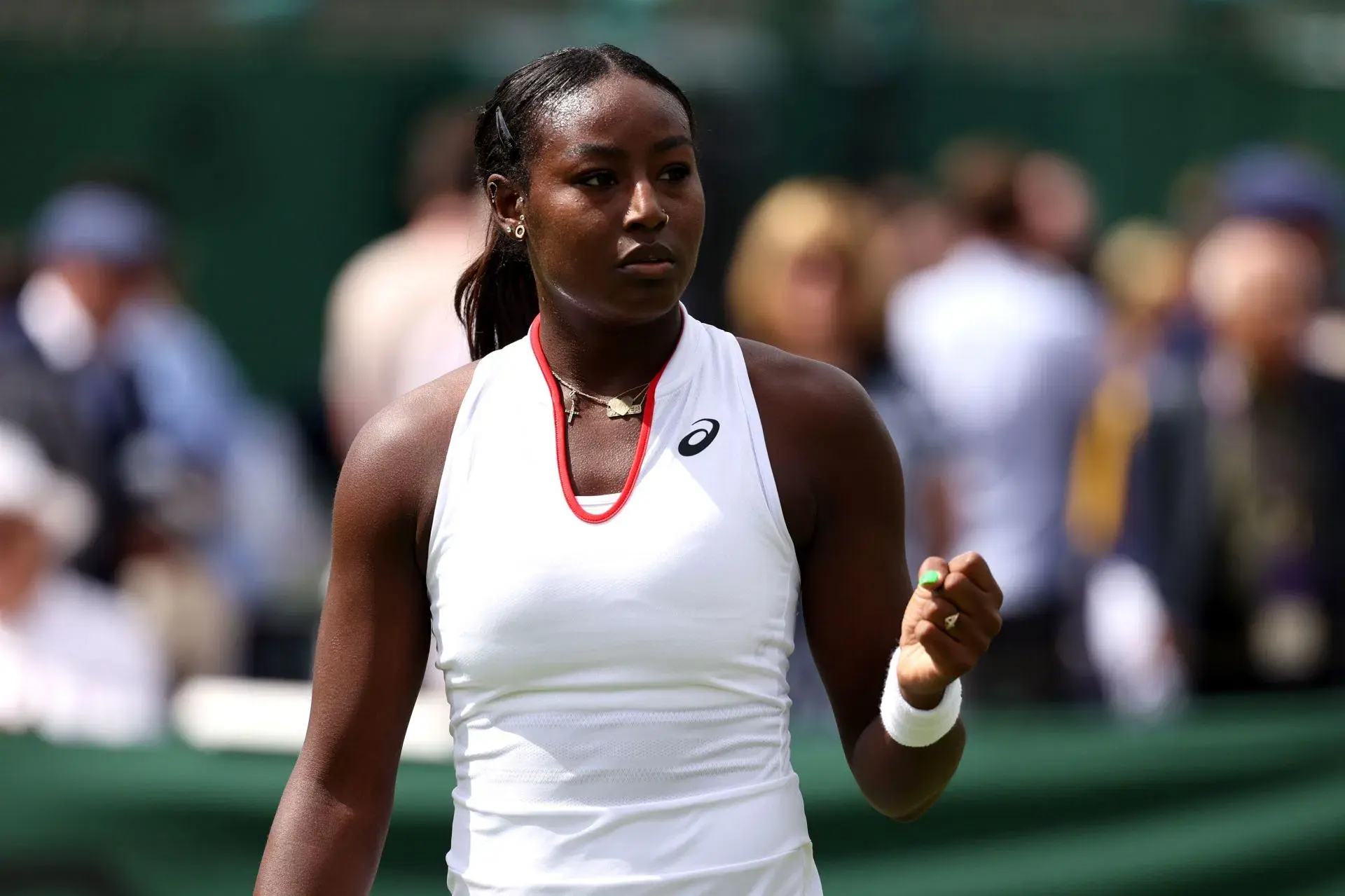
Alycia Parks: America’s Power-Serving Prospect At six feet one, with one of the fastest serves in women’s tennis, Alycia Parks has always had the physical tools to trouble the WTA Tour’s best. Her career since turning professional has been a genuine mix of breakthrough moments and the kind of ranking fluctuation that’s common for a young player still working to add consistency to raw power. Background Parks was born on 31 December 2000 in Atlanta, Georgia, and stands 1.85 metres (6 ft 1 in) tall — a height that gives her a significant natural advantage on serve. She’s coached by her father, Michael Parks, who has guided her development from her early competitive years through to the professional tour. She turned professional in 2017, working her way up through ITF and Challenger-level events before breaking into the WTA Tour’s main draw. WTA Tour debut and breakthrough Parks made her WTA Tour main-draw debut at the 2021 MUSC Health Open in Charleston, having come through qualifying. Her game has always been built around an aggressive, high-risk style: a powerful first serve, quick baseline winners, and a willingness to attack from anywhere on the court — an approach that can be devastating when it’s working, but brings more unforced errors than a purely consistency-based game. Her best season came in 2023, when she reached a career-high WTA singles ranking of world No. 40 in August, having won her maiden WTA Tour singles title on hard courts and, notably, a WTA 1000 doubles title at the Western & Southern Open that same year. Her career-high doubles ranking of world No. 27 also came that September. She reached her best Grand Slam singles result at the 2024 Australian Open, making the third round. A tour built on hard courts Parks has generally performed best on hard courts, where her serve and aggressive baseline game translate most effectively, though she’s continued developing her clay-court results too — reaching a WTA semifinal on clay in 2025. Across her career, she’s won six titles at the Challenger/ITF level in addition to her WTA Tour title, and has posted competitive records against a range of top-50 opponents, even as consistency against the very best top-10 and top-20 players has remained a work in progress. Playing style Parks’s game centres on a powerful first serve — she’s regularly among the tour’s leaders in aces per match — combined with aggressive, first-strike baseline tennis. It’s a style that rewards confidence and can overwhelm opponents when her serve is landing consistently, but the same aggression means her results can vary significantly match to match depending on how well she’s controlling her risk-taking on a given day. Where her career stands Alycia Parks’s career so far reflects the genuine trade-offs of a power-based game built for high ceilings rather than steady week-to-week consistency: a career-high of world No. 40, a WTA singles title, a WTA 1000 doubles title, and flashes of real quality against ranked opponents, alongside the ranking fluctuation that comes with an aggressive, high-variance style. With her serve remaining a genuine weapon on tour, she continues working to add the consistency that would let her sustain a higher ranking longer term. Quick facts Full name: Alycia Michelle Parks  |  Born: 31 December 2000, Atlanta, Georgia  |  Turned pro: 2017  |  Coach: Michael Parks (father)  |  Notable: Career-high singles ranking of world No. 40 (2023), one WTA Tour singles title, WTA 1000 doubles title at the 2023 Western & Southern Open. Frequently asked questions How old is Alycia Parks?Born on 31 December 2000, Alycia Parks is 25 as of 2026. What is Alycia Parks’s highest WTA ranking?A career-high singles ranking of world No. 40, reached in August 2023. What is Alycia Parks known for as a player?Her powerful first serve and aggressive baseline style, which places her among the WTA’s leaders in aces per match. Has Alycia Parks won a WTA title?Yes, one WTA Tour singles title on hard courts, plus a WTA 1000 doubles title at the 2023 Western & Southern Open. Who coaches Alycia Parks?Her father, Michael Parks, has coached her throughout her career.

Jannik Sinner Biography: Age, Career, Grand Slams & Doping Case Explained (2026)

jannik sinner age

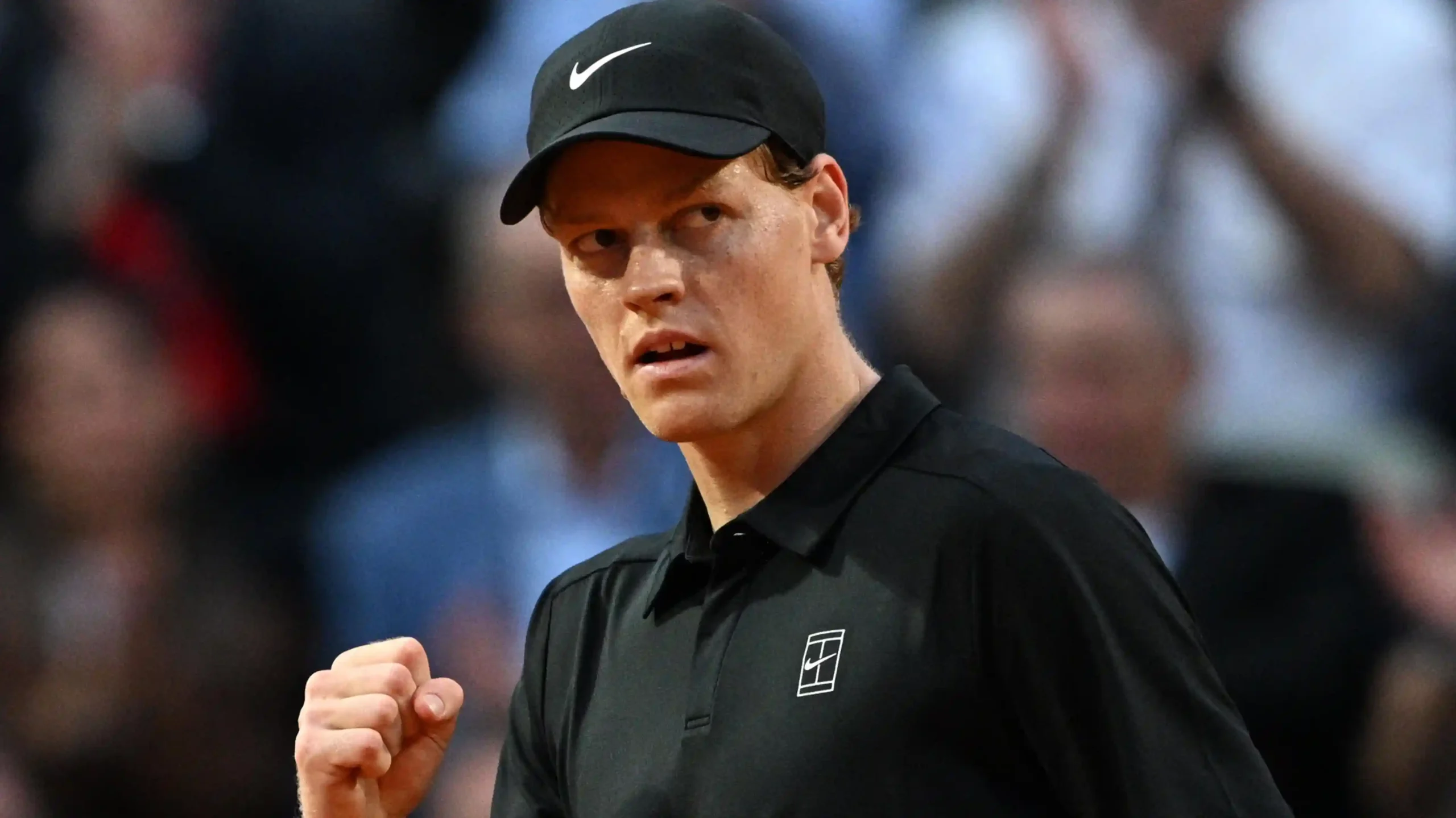
Jannik Sinner: The Skier Who Became World Number One There’s a specific kind of quiet confidence to Jannik Sinner’s game that’s unusual in a sport dominated for two decades by the emotional intensity of Nadal, the perfectionism of Djokovic, and the flair of Federer. Sinner barely celebrates. He rarely argues with umpires. And yet, still in his early twenties, he’s already a multiple Grand Slam champion and the man who ended the “Big Three” era’s grip on the world number one ranking. From ski slopes to tennis courts Sinner was born on 16 August 2001 in San Candido, a small town in Italy’s mountainous South Tyrol region, close to the Austrian border — which explains why he grew up speaking German at home alongside Italian. His first serious sporting pursuit wasn’t tennis at all; he competed as a promising junior skier before switching codes entirely as a teenager. It’s a genuinely unusual origin story for a future world number one, and one that partly explains his exceptional footwork and balance on court, both skills that translate remarkably well from ski racing. His parents worked modest jobs — his father as a chef, his mother in hospitality — a background far removed from the elite tennis academies that produce many of his rivals. What he lacked in that kind of pedigree, he made up for with rapid, disciplined improvement once he committed fully to tennis. A rapid rise through the rankings Sinner’s climb up the ATP rankings was swift by any standard, built on a game with few obvious weaknesses: heavy, flat groundstrokes off both wings, genuinely elite movement, and a calm temperament that rarely cracks under pressure. He broke into the world’s top ten while still a teenager and kept climbing from there, taking sets and then matches off the sport’s most established champions as his game matured. Grand Slam breakthrough Sinner won his first Grand Slam title at the 2024 Australian Open, coming through a five-set final to claim the trophy — a result that confirmed what had been building for a couple of seasons. He successfully defended that title in Melbourne in January 2025, and has added further major titles since, establishing himself as a genuine three-time Grand Slam champion and, for extended stretches, the ATP’s world number one. His rivalry with Spain’s Carlos Alcaraz has become the sport’s most closely watched storyline in the post-Big-Three era — two players born within a year of each other, both multiple Slam winners before turning 24, trading the number one ranking and major titles back and forth in a way that’s reminded longtime fans of tennis’s great rivalries of the past. The 2024 doping case: what actually happened Sinner’s career hit a serious complication in 2024, and it’s important to lay out the facts plainly and accurately rather than in vague, sensationalized terms. In March 2024, Sinner returned two positive tests for trace amounts of clostebol, a banned anabolic steroid, during the ATP Masters 1000 event in Indian Wells. The explanation, which was investigated thoroughly and ultimately accepted by anti-doping authorities, was that his physiotherapist had used an over-the-counter spray containing clostebol to treat a cut on his own finger, and then gave Sinner a massage without wearing gloves — transferring trace amounts of the substance to Sinner’s skin unintentionally. The International Tennis Integrity Agency (ITIA) investigated and, following an independent tribunal hearing in August 2024, found Sinner bore “No Fault or Negligence” — the most favourable finding available under anti-doping rules — resulting in no suspension, though his ranking points and prize money from the Indian Wells event itself were stripped, as required whenever a positive test occurs at a specific event, regardless of fault. The World Anti-Doping Agency (WADA) disagreed with that “no fault” finding and appealed to the Court of Arbitration for Sport, seeking a ban of one to two years on the basis that an athlete bears responsibility for his support team’s actions even when the contamination itself was accidental. Rather than proceeding to a full CAS hearing, Sinner and WADA reached a settlement in February 2025: a three-month suspension, served between 9 February and 4 May 2025 — timed so that he missed no Grand Slam tournaments, since the next major, the French Open, didn’t begin until later that May. WADA’s own statement on the settlement was explicit: “WADA accepts that Mr. Sinner did not intend to cheat, and that his exposure to clostebol did not provide any performance-enhancing benefit and took place without his knowledge as the result of negligence of members of his entourage.” Sinner accepted the suspension, saying in a statement: “I have always accepted that I am responsible for my team and realise WADA’s strict rules are an important protection for the sport I love.” The settlement was publicly criticised in some corners of tennis and media for its leniency and convenient timing around the Grand Slam calendar, with some commentators drawing unfavourable comparisons to harsher bans handed to athletes in other sports for similar clostebol contamination claims. It remains a genuinely debated case within tennis — not because the facts of what happened are seriously disputed, but because reasonable people disagree about whether the outcome was proportionate. Sinner served his suspension in full and returned to competition in May 2025. Playing style Sinner’s game is built around depth and consistency rather than flashy shot-making — heavy topspin from both forehand and two-handed backhand, a serve that’s improved significantly year over year, and movement that lets him defend and counter-attack from positions that would be lost causes for less mobile players. His calm, low-key on-court demeanour has become as much a part of his identity as his tennis, a notable contrast to some of the sport’s more visibly emotional stars. Where his career stands Jannik Sinner’s story so far is one of rapid, disciplined ascent — from junior ski racer to multiple Grand Slam champion and world number one — interrupted by a doping case that, whatever view one takes … Read more